
Standard electric water heaters make heat the expensive way: current runs through a resistance element, and every bit of warmth in the tank is paid for at the meter. A heat pump water heater, often called a hybrid, works differently. Its compressor and evaporator coil collect heat already present in the room air and transfer it into the water, the same principle your refrigerator uses to move heat out of the food compartment. The result is a Uniform Energy Factor that commonly lands at 3 or above, roughly triple the efficiency of a resistance-only tank. For Warwick, RI households that already heat water with electricity, that difference shows up on every monthly bill.
Placement is where a heat pump water heater succeeds or fails. The unit needs a steady supply of room air, so manufacturers generally want around 700 cubic feet of open space, or ducting to borrow air from a larger area when the mechanical room is tight. As it runs, it cools and dehumidifies the room, a bonus in a humid basement or hot garage and a drawback in a small, already chilly space. Heat pump operation also has a temperature window: in a space that drops near freezing, the unit switches to its electric elements and the efficiency advantage disappears for those hours. Add a condensate line that must drain by gravity or pump, a fan and compressor that make about as much noise as a dishwasher, and a dedicated 240-volt circuit on most models, and you can see why the planning deserves as much attention as the equipment.
The savings get won or lost in the settings. A hybrid can run in heat pump only, hybrid, electric, and vacation modes, and the best choice depends on how many people shower back to back and how cold the space gets. Heat pump recovery is slower than an element's, so sizing up a notch often lets the compressor carry the whole load without calling on backup heat. Our technicians set the unit with a drain pan, a well-routed condensate line, a dedicated circuit, and code items such as an expansion tank or seismic strapping where they apply, then choose the mode that fits your routine. Incentives such as utility rebates and federal tax credits are available on many qualifying units, and while we cannot promise any specific incentive, we will tell you which programs are worth checking. Call (401) 210-2665 to talk through a heat pump water heater for your Warwick home.
What homeowners call us about most is Water Heater Installation in Warwick. That's the place to start for most homes.
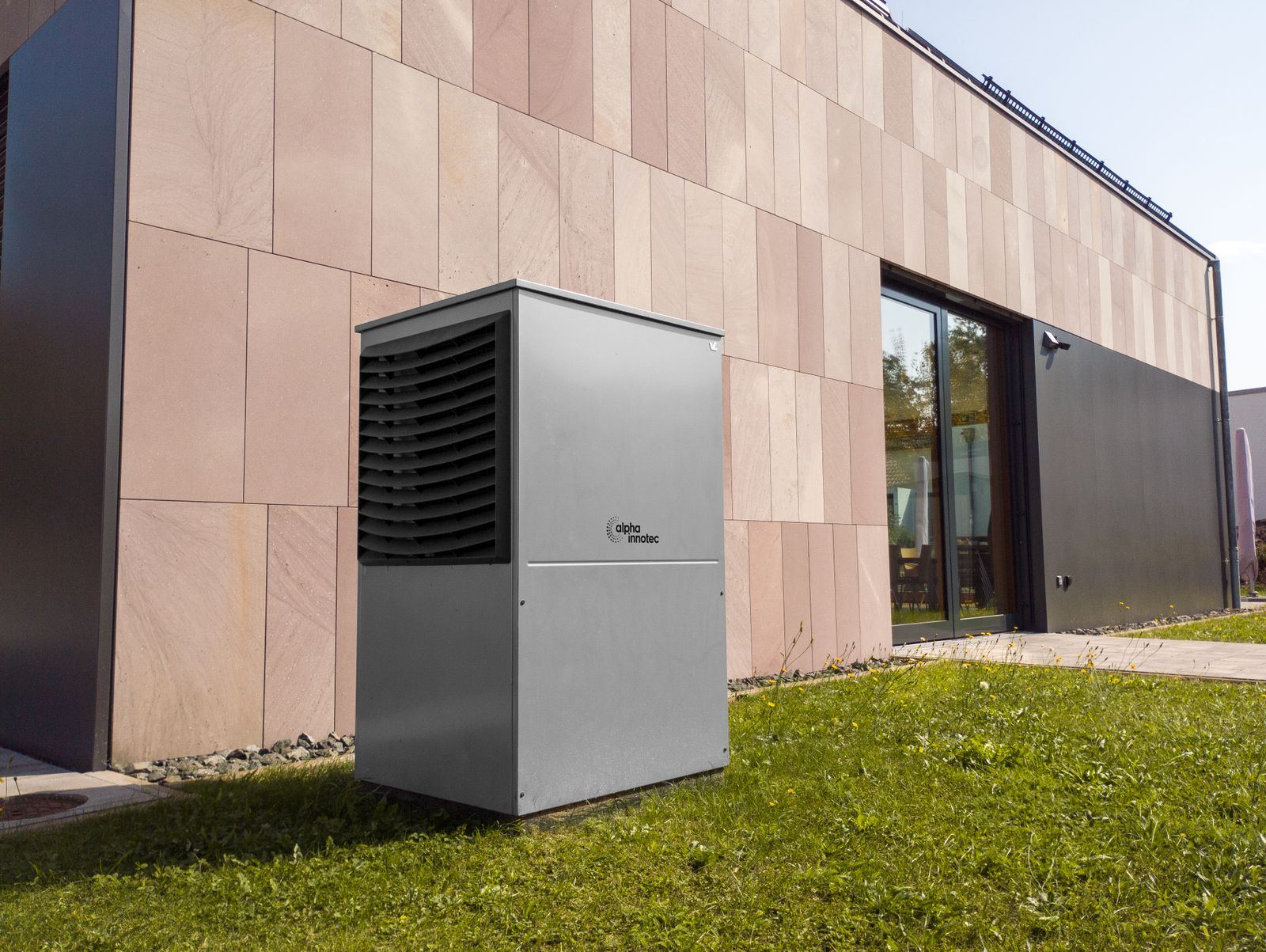
Signs You Need Heat Pump Water Heaters in Warwick
Most tanks announce trouble weeks or months ahead with rumbling noises, rusty water, or hot showers that keep getting shorter. If any of the following sound familiar, it's worth having the unit checked:
- Power bills where water heating is a large and steady line item
- An electric tank over ten years old that you would like to swap on your own schedule
- Curiosity about incentive programs for qualifying water heaters
- Humidity problems in the space where the water heater sits
- An electrical setup already sized for an electric tank
- A garage or attic-adjacent room that stays warm most of the year
- An all-electric home, or one heading that direction
- A garage, basement, or utility room with plenty of open air around the tank
Small Symptoms, Big Consequences
Most water heater failures start small: a popping sound from sediment, a damp spot under the drain valve, or a shower that goes lukewarm a few minutes sooner each week. Call Warwick Water Heater at (401) 210-2665 at the first sign of trouble.
Get Heat Pump Water Heaters Handled Today
We'll diagnose the problem and give you a straight answer on the fix.
Call (401) 210-2665 NowCommon Questions We Hear
Why This Job Calls for a Pro
A heat pump water heater is more than a tank swap. It is a plumbing appliance, an electrical appliance, and a small refrigeration system at once. The plumbing has to include a relief valve line to an approved spot and an expansion tank when the system is closed. The circuit has to meet the manufacturer's requirements, which may differ from the tank it replaces. And the room has to supply enough air, or the compressor struggles and the unit quietly leans on its elements. That last point is the one most often missed, and it turns an efficient appliance into an expensive standard heater.
The install itself has its own demands. A filled 65 or 80 gallon tank is extremely heavy, the unit is taller than most standard heaters, and condensate needs a route that will not overflow onto a finished floor. Switching from gas adds capping the gas line, removing or sealing the old vent, and running new power. Refrigerant repairs on the sealed system call for specific training and recovery equipment. Our experienced technicians plan all of it from the first visit, set up the modes before they leave, and give you the product details you need for any rebate or tax credit paperwork, without promising what a program will pay.
Our Heat Pump Water Heaters Process
We follow the same careful process on every water heater, whether it's a quick thermostat swap or a full tankless conversion. Here's the short version:
Space and Airflow Check
We measure the room volume, note how warm or cold it runs through the year, find the nearest drain for condensate, and check the electrical panel for a 240-volt circuit.
Right-Sizing the Tank
You get a recommendation built around your family's peak morning demand, the available space, and whether a 240-volt or 120-volt model makes more sense.
Installation and Condensate
Water lines, the electrical circuit, T&P discharge piping, and a dependable condensate route are all installed and checked before the tank fills.
Controls and Handoff
We fill and purge the tank, confirm the compressor runs and the condensate drains, set a safe temperature, and choose the mode that fits your routine.
Not Sure What You Need?
Call Warwick Water Heater to talk through your situation with an experienced technician.
Call (401) 210-2665 TodayHow to Prevent Water Heater Problems
A few preventive steps can help you avoid a cold shower or a wet floor down the road. Follow these tips from our technicians:
- Leave clear space around the intake and exhaust instead of stacking storage against them
- Flush the tank once a year to clear sediment, just as you would with a standard heater
- Do not store solvents or run a dusty workshop right next to the unit
- Have the anode rod inspected every few years to protect the tank from corrosion
- Switch to vacation mode before a trip to cut idle energy use
- Rinse the intake filter a few times a year; a clogged filter drags efficiency down
- Check that condensate is reaching the drain and the pan stays dry
Should You DIY or Call a Pro?
Some simple checks are fine to do yourself, but most water heater repairs benefit from professional tools, training, and experience. A side-by-side look:
| Factor | DIY Attempt | Professional Service |
|---|---|---|
| Placement | Space never measured | Room sized and assessed for airflow |
| Electrical | Breaker size guessed | Dedicated circuit verified or added |
| Condensate | No reliable drain path | Pan and drain line installed together |
| Sizing | Same size as the old tank by default | Often upsized to keep elements idle |
| Settings | Stuck in electric mode | Controls explained before we leave |
| Safety Details | Local requirements unknown | T&P discharge, pan, and expansion tank handled |
Let's Get Your Hot Water Back
The sooner you call, the sooner the hot water is back. Reach Warwick Water Heater for fast service.
Call (401) 210-2665 TodayCommunities We Cover
We bring heat pump water heaters to homes and businesses in town and across the nearby communities. Pick your area to see local details.